
Table of Contents
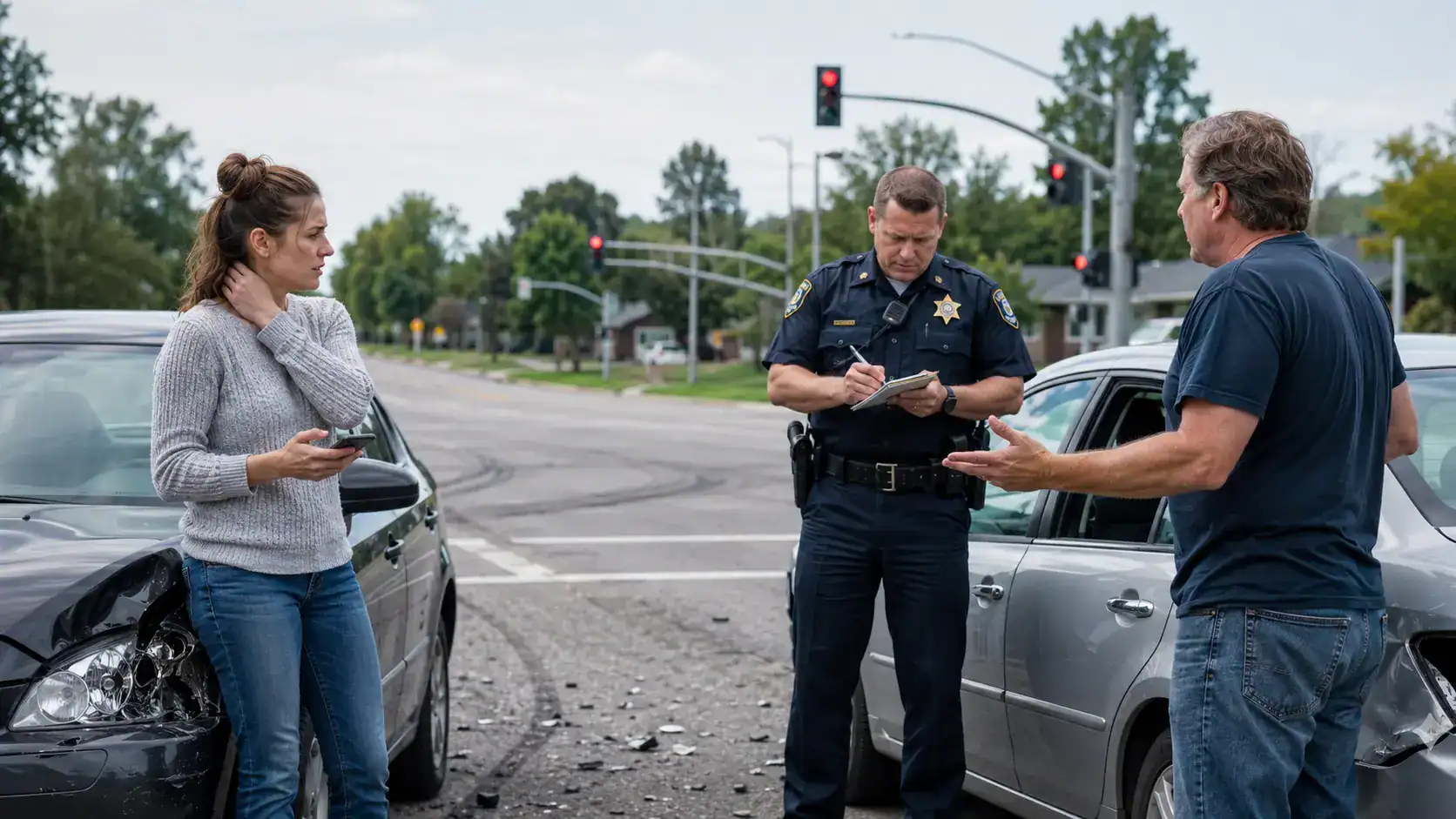
You know what happened after the crash. The other driver may have admitted fault at the scene, apologized, or said they did not see you. Then days later, their story changes. Now they say you caused the collision, and the insurance company says fault is disputed. If you are asking, what if the other driver lies about the accident in Illinois, the answer is that your claim is not over, but evidence becomes critical.
Illinois injury claims are not decided by the loudest driver or the first story an adjuster hears. They are decided by proof: photos, police reports, witness statements, vehicle damage, traffic laws, medical records, and sometimes accident reconstruction. This guide explains what to do when the other driver lies, how disputed fault works in Illinois, and how to protect your personal injury claim before the insurance company uses the false story against you.
Key Takeaways
If the other driver lies about an accident in Illinois, your claim can still move forward, but you need evidence that supports your version of events. A police report, photos, witness information, vehicle damage patterns, dashcam footage, medical records, and a consistent timeline can help prove fault. Illinois uses modified comparative negligence, so a false story can reduce your recovery if it shifts blame onto you. Do not give a recorded statement to the other driver’s insurer without legal advice, and contact a personal injury lawyer quickly if fault is disputed or your claim is delayed, denied, or undervalued.
Why Drivers Lie After a Car Accident
Drivers may lie because they panic, fear higher insurance rates, want to avoid a ticket, or realize later that admitting fault could cost them money. Some people change their story after talking to family, friends, or their insurance company. Others deny obvious facts because they believe the case will become your word against theirs.
A driver may say they stopped at a red light when they did not, claim you changed lanes suddenly, deny texting, or insist you were speeding. These claims can create real problems if the insurance adjuster accepts them without looking at the physical evidence.
The important point is that a lie does not automatically defeat your claim. It means the claim needs to be supported with proof rather than assumptions.
How Illinois Handles Disputed Fault
Illinois follows a modified comparative negligence rule. Under this rule, an injured person can recover damages if they are not more than 50% at fault, but their compensation may be reduced by their percentage of responsibility. This makes disputed fault especially important when the other driver lies.
For example, if your damages are $100,000 and you are found 20% at fault, your recovery may be reduced to $80,000. But if the other driver successfully shifts more than 50% of the blame to you, you may be barred from recovering damages. That is why evidence matters so much in Illinois accident claims.
When fault is disputed, insurance companies and courts may look at traffic laws, vehicle damage, witness statements, photos, police reports, medical records, crash location, skid marks, debris patterns, and expert analysis. Your word matters, but your word plus evidence is much stronger.
What to Do Immediately If the Other Driver Lies
Take Photos and Videos at the Scene
Take photos of the vehicles, license plates, road conditions, traffic signals, lane markings, skid marks, debris, airbags, injuries, weather, and the surrounding area. Get wide shots and close-ups. These images can show how the crash happened and whether the other driver’s later version makes sense.
Call the Police and Get a Report
A police report is not always the final word on fault, but it creates an official record. The responding officer may document driver statements, witness names, citations, the crash location, and visible evidence. If the other driver changes their story later, the report can help show the inconsistency.
Get Witness Information
Neutral witnesses can be powerful in a disputed-fault claim. If a pedestrian, nearby driver, passenger, store employee, or bystander saw the crash, ask for their name and phone number. Witnesses disappear quickly, and insurance adjusters may not look for them unless someone pushes the issue.
Write Down What the Other Driver Said
If the other driver admitted fault, apologized, or made a statement about what happened, write it down as soon as possible. Illinois has strict recording laws, so do not secretly record audio conversations. But you can make your own notes about what was said and when.
How Police Reports Help When the Other Driver Changes Their Story
Police reports often include driver statements, witness information, diagrams, citations, insurance information, and the officer’s observations. If the other driver told the officer one thing at the scene but tells the insurance company something different later, that inconsistency can damage their credibility.
A traffic citation can also support your claim. A ticket for failing to yield, running a red light, following too closely, improper lane use, or speeding may help show the other driver violated a traffic rule. Even when the report does not assign fault, it can still provide useful facts that support your version of events.
After the report is available, review it carefully. If you see a factual error, ask the police department about its process for requesting a correction or supplement. Even if the report is not changed, your attorney can use other evidence to explain what really happened.
Physical Evidence Can Expose a False Story
Vehicle damage often tells a story that words cannot change. A rear-end impact, side-impact collision, paint transfer, crushed bumper, broken headlight, or final resting position can help show the direction and force of impact. If the other driver’s story does not match the damage, the lie becomes easier to challenge.
Skid marks, debris fields, broken glass, vehicle positions, and traffic-camera or security footage can also help. In serious disputed cases, an accident reconstruction expert may analyze the scene, vehicle damage, speeds, angles, and timing to determine whether the other driver’s version is physically possible.
Preserving evidence quickly is important. Vehicles get repaired, totaled cars get moved, security footage gets overwritten, and road conditions change. The sooner the evidence is collected, the stronger your claim usually becomes.
Dealing With the Other Driver’s Insurance Company
The other driver’s insurance adjuster does not represent you. If their policyholder lies, the adjuster may initially accept that version, especially if you do not provide strong evidence. You are not required to give a recorded statement to the other driver’s insurer, and doing so can be risky when fault is disputed.
If you speak with the adjuster, keep it brief. Confirm basic facts only, such as the date, location, vehicles involved, and that you were injured. Do not guess, admit fault, argue, or fill in details you do not remember. If the adjuster asks detailed questions about how the crash happened, it is safer to speak with a lawyer first.
A strong evidence package can push back against the false story. This may include the police report, photos, witness statements, medical records, repair estimates, dashcam footage, and a written timeline of what happened.
What If the Other Driver Changes Their Story Later?
A changing story can hurt the other driver’s credibility. If they admitted fault at the scene but denied it later, their inconsistency may be useful evidence. The same is true if their statement to police differs from what they told the insurance company.
Written admissions are especially important. If the other driver texts, emails, or messages you saying they caused the crash, save it. Do not delete voicemails, messages, photos, or emails. Send copies to your attorney and keep the originals if possible.
Your own consistency matters too. Stick to the facts. If you do not know something, say you do not know. A clear, consistent version of events supported by evidence is much stronger than speculation.
What If There Are No Witnesses?
A no-witness accident is harder, but it is not hopeless. Physical evidence can still prove fault. Damage patterns, crash location, road markings, traffic signals, debris, skid marks, and vehicle data may help show what happened.
Nearby businesses may have security cameras. Other cars, rideshare vehicles, buses, delivery trucks, or commercial vehicles may have dashcams. This footage can disappear quickly, so a lawyer may need to send preservation letters before it is deleted.
In some cases, vehicle data or phone records may become relevant. If the other driver claims they were paying attention but evidence suggests distraction, legal discovery may help uncover the truth.
How a False Story Can Affect Your Injury Claim
When the other driver lies, the insurance company may delay the claim, deny liability, offer less money, or say both drivers are partly responsible. This can affect every part of the case, including medical bills, lost wages, pain and suffering, future treatment, and property damage.
Medical documentation is also important. See a doctor as soon as possible after the crash and follow the treatment plan. If you wait too long, the insurer may argue you were not really hurt or that your injuries came from something else.
Keep a simple timeline of the accident, symptoms, medical visits, missed work, adjuster calls, and every important conversation. A timeline helps your lawyer identify contradictions and respond to the insurer’s arguments.
When Should You Contact an Illinois Personal Injury Lawyer?
Fault Is Disputed
If the other driver blames you or the insurance company says liability is unclear, get legal help quickly. Disputed fault can reduce or defeat a claim if the insurer controls the story early.
You Were Injured
If you needed medical treatment, missed work, or have ongoing pain, the stakes are higher. A lawyer can help connect the injuries to the crash and protect your damages from unfair blame-shifting.
There May Be Video or Witness Evidence
Video footage and witness information can disappear fast. A lawyer can send preservation letters, contact witnesses, and begin investigating before key evidence is lost.
The Insurance Company Denied or Lowballed the Claim
A denial or low offer based on the other driver’s lies is not always the final answer. A lawyer can present evidence, challenge comparative fault, negotiate, and file a lawsuit if needed.
Talk to an Illinois Personal Injury Lawyer About a Disputed Accident Claim
If the other driver is lying about the accident and the insurance company is delaying, denying, or undervaluing your claim, do not face that fight alone. Contact The Law Offices of John S. Eliasik for a free case evaluation and learn how evidence can be used to protect your Illinois personal injury claim.
FAQs
What if the other driver lies about the accident in Illinois?
You can still pursue a claim, but you need evidence to prove fault. Photos, police reports, witnesses, vehicle damage, dashcam footage, and medical records can help challenge the false story.
Can the insurance company deny my claim if the other driver lies?
Yes, the insurer may deny or delay the claim if fault is disputed. A denial is not always final. Strong evidence and legal pressure can force the insurer to reconsider.
Is a police report enough to prove the other driver lied?
A police report helps, but it is not always enough by itself. It should be supported with photos, witness statements, damage evidence, video footage, and consistent medical documentation.
What if the police report is wrong?
You can ask the police department about correcting or supplementing the report. Even if it is not changed, other evidence can still be used to show what really happened.
Should I give a recorded statement if fault is disputed?
Be careful. You are generally not required to give a recorded statement to the other driver’s insurer. Speak with a lawyer first because adjusters may use your answers against you.
What if there are no witnesses to the accident?
A no-witness case can still be proven with physical evidence, vehicle damage, scene photos, skid marks, dashcam footage, nearby surveillance video, and accident reconstruction.
Can I sue if the other driver lies about the crash?
Yes. If the other driver caused the accident and their insurer refuses to pay, you may file a personal injury lawsuit. In litigation, the driver must answer questions under oath.
How does Illinois comparative negligence affect a disputed accident claim?
Illinois can reduce compensation by your percentage of fault. If you are found more than 50% at fault, you may be barred from recovery, which is why fighting false blame matters.
What should I do first if the other driver changes their story?
Save all evidence, get the police report, write down what changed, avoid arguing with the adjuster, and contact a personal injury lawyer before giving detailed statements.
How long do I have to file an Illinois personal injury claim?
Most Illinois personal injury claims must be filed within two years, but evidence can disappear much sooner. Act quickly when the other driver lies or fault is disputed.